
Nikro Air Duct Cleaning in Worcester: A Homeowner’s Guide
Nikro air duct cleaning in Worcester uses industrial negative-pressure HEPA vacuum systems that contain and extract debris rather than pushing it back into your home. For Worcester’s older housing stock — triple-deckers with long trunk lines and colonial homes with complex branch ducts — this equipment difference separates actual cleaning from surface-level dust redistribution. If you’d rather not research equipment brands and just want the job done right, call us at (855) 919-5291 for a free estimate.
Most homeowners never think to ask what equipment a duct cleaner is bringing. When I tell them I use Nikro, about half nod politely and have no idea what that means — so let me explain exactly why the machine in my truck costs more than most competitors charge in a year of jobs. After 11 years and hundreds of systems across Worcester, I’ve watched too many homeowners pay for “cleaning” that left their ducts barely touched because the crew showed up with equipment that belongs in a workshop, not a ventilation system.
What Nikro Equipment Actually Does Inside Your Ducts
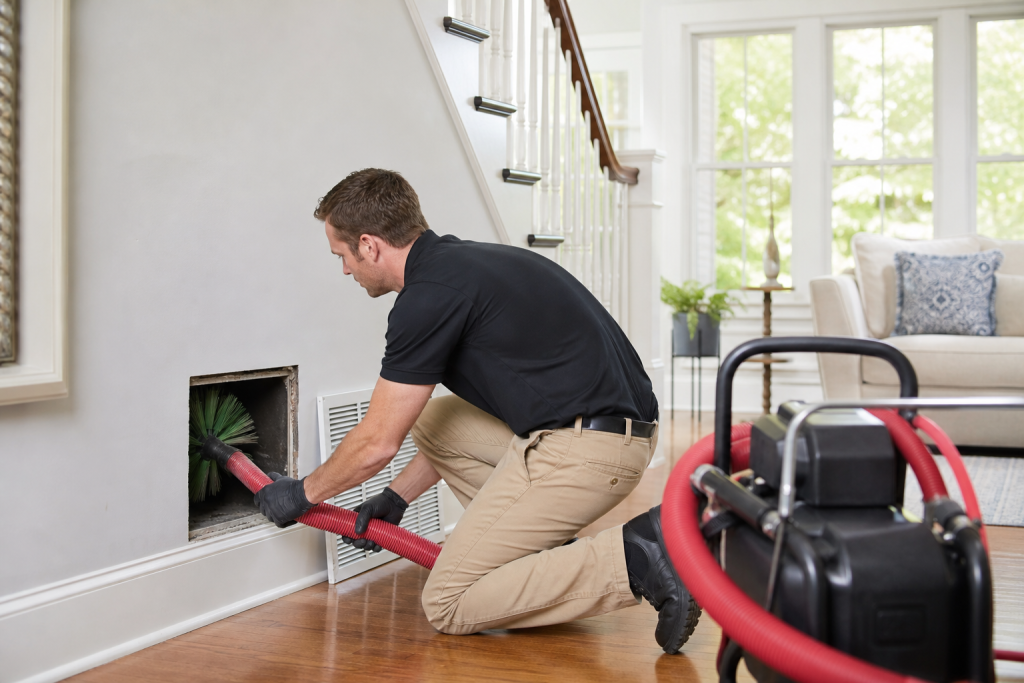
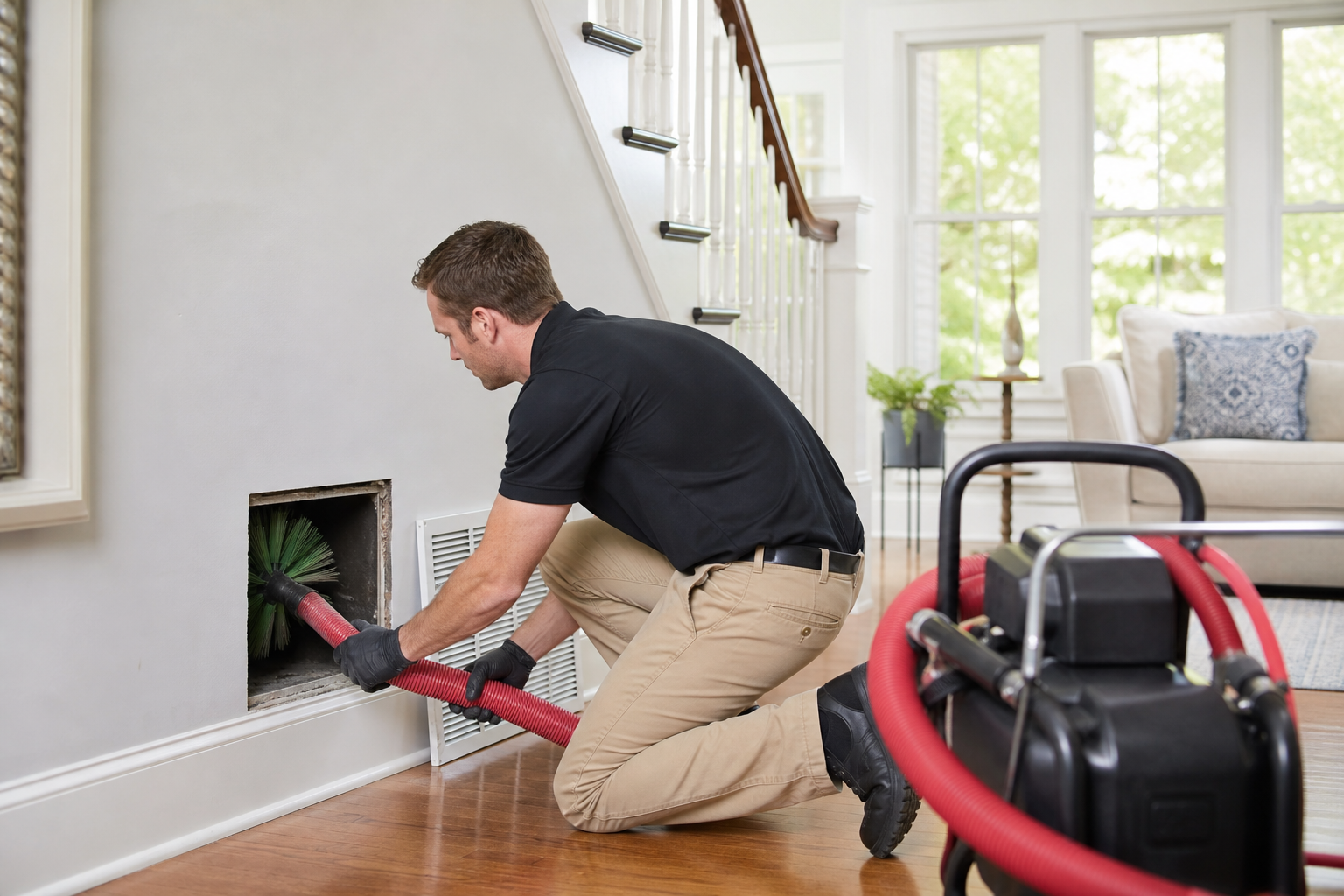
Nikro’s negative-pressure system works like a contained vacuum chamber. The portable HEPA-filtered vacuum unit connects to your ductwork and creates suction strong enough to pull 2,000+ CFM — that’s cubic feet per minute of airflow. More importantly, it establishes negative pressure throughout the entire zone being cleaned, which means debris gets drawn toward the vacuum source rather than escaping into your living space.
Here’s the mechanical difference that matters: when a budget crew runs a rotary brush through your ducts without proper containment, they’re essentially stirring up a dust storm and hoping their shop vac catches some of it. The Nikro system reverses that equation. We seal access points, establish negative pressure, then use agitation tools to knock debris loose so the airflow carries it directly to the HEPA filter. Nothing gets redistributed through your Worcester home.
The HEPA filtration is worth emphasizing. Nikro units capture particles down to 0.3 microns at 99.97% efficiency. In practical terms, that’s pollen, mold spores, fine construction dust from your neighbor’s renovation on Grafton Hill, and the particulate matter that settles into older Worcester homes every heating season. Standard vacuums spew the fine stuff right back out their exhaust.
In our experience, the containment factor alone justifies the equipment investment. We’ve cleaned ducts in homes on the East Side where previous “cleanings” had actually left the homeowner’s allergies worse — because the prior crew agitated decades of accumulated debris without proper extraction.
Why Worcester’s Older Homes Need Serious Equipment
Worcester’s housing architecture creates specific duct challenges that portable equipment simply can’t handle. The triple-decker apartments common to Vernon Hill, Main South, and Greendale often have trunk lines running 30 to 50 feet before branching to individual units. Colonial homes in Tatnuck and West Tatnuck frequently feature original ductwork with multiple 90-degree turns and reduced-diameter branches added during decades of renovation.
Portable units — the kind you can buy at a hardware store or that budget crews wheel in on a hand truck — typically generate 400 to 800 CFM. That’s adequate for a short residential branch line in a ranch house, but it’s not moving enough air to overcome the static pressure in a Worcester triple-decker’s long trunk line. Debris sits undisturbed in the mid-section while the vacuum strains at the end.
The Nikro system’s higher sustained airflow and sealed containment means we can maintain effective negative pressure across those longer runs. We’ve pulled construction debris from trunk lines in Main South triple-deckers that hadn’t been properly cleaned since the building was converted from coal heat in the 1960s. The equipment makes that possible — a brush on a drill doesn’t.
There’s also the access problem. Older Worcester homes often have ducts with limited entry points. The Nikro system’s flexible hose configurations and specialized agitation attachments let us work through smaller access openings without cutting new holes in your system. In a 1920s colonial on Salisbury Street last month, we cleaned the entire supply trunk through a single 8-inch access because the equipment’s suction power didn’t require multiple entry points to maintain airflow.
Agitation Tools: What Gets Left Behind With Basic Brushes
This is where most homeowners get fooled. A rotary brush system — even a decent one — only cleans what the bristles physically touch. In rectangular ductwork common to older Worcester homes, brush bristles ride the corners and miss the flat surfaces. In flex duct, brushes can compress the liner and create new pockets where debris collects.
Nikro’s agitation tools include pneumatic whips, skipper balls, and directional nozzles that work differently. The whips snap against duct surfaces at high frequency, dislodging adhered material that brushes would glide over. Skipper balls create turbulent airflow patterns that scrub flat surfaces without mechanical contact. These tools are powered by the system’s compressed air supply, not a rotating motor, so they navigate irregular duct geometries that would jam a brush.
What we’ve found in Worcester’s older systems: the main trunk lines — the large rectangular ducts that distribute air throughout your home — typically harbor the heaviest contamination because they’ve been collecting debris the longest and previous cleanings rarely reached them properly. A brush system cleans the first ten feet adequately, then progressively loses effectiveness as friction reduces rotation speed. The Nikro agitation tools maintain consistent cleaning action regardless of duct length because they’re driven by air pressure, not mechanical rotation transmitted through a flexible shaft.
We inspected a system on Chandler Street where the homeowner had paid for cleaning two years prior. The branch lines were reasonably clear, but the trunk line still held nearly an inch of compacted dust and what appeared to be disintegrated fiberglass liner from a 1980s renovation. The previous crew’s brush simply hadn’t reached it. That’s not uncommon — it’s what happens when equipment limitations meet Worcester’s complex older ductwork.
How to Verify a Contractor’s Equipment Claims
Here’s the practical part. Before you hire any duct cleaner in Worcester, ask these specific questions:
- “What vacuum system do you use, and what’s its CFM rating?” A legitimate operator knows this. Nikro portable HEPA units typically run 2,000+ CFM. If they mention a shop vac or can’t specify, you’re not getting professional containment.
- “Do you establish negative pressure in the ducts before agitation, or do you brush first and vacuum second?” The correct answer is negative pressure first, always. Brushing without containment is dust redistribution.
- “Can you show me your HEPA filter?” A true HEPA filter is a substantial cartridge, not a paper bag. Ask to see it. If they’re using standard filtration, fine particulate is exhausting back into your home.
- “What agitation tools do you use besides a rotary brush?” Single-tool operators are limited. Professional-grade systems include multiple agitation methods for different duct types.
Be wary of vague answers like “professional equipment” or “commercial-grade tools.” Specific brands and specifications demonstrate actual knowledge. We’ve had homeowners in Worcester tell us previous contractors claimed to use “HEPA filtration” when they were actually running standard wet/dry vacuums with aftermarket bags. The difference in air quality outcome is dramatic.
One more verification step: ask for photos of previous jobs. We document our work with before-and-after camera inspections — it’s standard practice with proper equipment because the access ports and camera systems are part of the professional setup. A contractor who can’t show you internal duct photos may not have equipment capable of taking them.
What Professional Equipment Can’t Fix
I want to be straight about this: great equipment doesn’t solve every duct problem. In 11 years across Worcester, we’ve encountered situations where cleaning alone wasn’t the right solution.
Duct design problems persist regardless of equipment quality. Undersized return ducts, excessive flex duct runs, and poorly sealed plenums create airflow issues that no amount of cleaning resolves. We’ve inspected homes in Burncoat where the ductwork was so poorly designed that contamination was inevitable — the system couldn’t move adequate air to prevent debris accumulation, and cleaning would need repeating annually to maintain marginal improvement.
Active moisture problems override cleaning benefits. If your ducts have condensation issues from inadequate insulation or a humidifier set too high, mold will return regardless of how thoroughly we clean. In those cases, we recommend addressing the moisture source first — sometimes with duct repair and sealing or humidity control solutions — before investing in cleaning.
Severely deteriorated duct liner is another limitation. Older Worcester homes sometimes have fiberglass duct board or liner that’s breaking down. Cleaning accelerates that deterioration. We flag this during inspection and discuss repair or replacement options rather than pushing a cleaning that would damage your system further.
The honest assessment: professional equipment expands what’s possible, but it doesn’t change physical reality. A qualified technician tells you when cleaning isn’t the right investment — and we’ve done exactly that in consultations across Worcester when the duct condition didn’t justify the service.
When to Call a Pro for Nikro Air Duct Cleaning in Worcester
Consider professional cleaning when you’re moving into a previously owned home with unknown duct history, after any renovation that generated construction dust, if you’re experiencing persistent allergy symptoms that don’t correlate with outdoor pollen cycles, or if it’s been more than five years since your last service. In Worcester’s heating-intensive climate, the accumulation rate is real — we see it in systems every week.
For related services, we also offer dryer vent cleaning in Worcester — often scheduled alongside duct cleaning since the equipment and access requirements overlap — and HVAC cleaning in Worcester for the mechanical components that your ducts connect to.
The Bottom Line
Nikro equipment represents a genuine technical standard in duct cleaning — negative-pressure HEPA containment, sufficient airflow for long duct runs, and agitation tools that reach surfaces brushes miss. For Worcester’s older, architecturally diverse housing stock, that technical capability translates directly to cleaner outcomes. The equipment investment separates operations that redistribute dust from operations that remove it.
Key takeaways:
- Nikro’s negative-pressure system prevents debris redistribution during cleaning
- Worcester’s triple-deckers and colonials need the CFM that portable units can’t provide
- Multiple agitation tools clean surfaces that rotary brushes miss
- Verify equipment claims with specific questions before hiring
- Professional equipment has limits — design and moisture problems need addressing first
If you’re in Worcester and want to know what your ducts actually contain, Liberty Bell Air Duct Cleaning Worcester offers free estimates with camera inspection. David handles the evaluation himself — you’ll get the most qualified person in the company, not a sales rep. Call (855) 919-5291 to schedule.
Frequently Asked Questions
Professional duct cleaning with negative-pressure HEPA equipment in Worcester typically ranges from $400 to $800 for a standard residential system, with larger homes or complex layouts running higher. The equipment investment and proper containment process cost more than budget brush-and-vac services, but the difference in debris removal is substantial. Call (855) 919-5291 for an exact quote on your specific system — estimates are free.
Both are professional-grade systems, but they serve different applications. We use Rotobrush for lighter maintenance cleaning and accessible residential systems, while Nikro’s negative-pressure HEPA system handles heavier contamination, longer duct runs, and situations requiring maximum containment. In Worcester’s older homes with complex ductwork, we often deploy both — Rotobrush for branch lines and Nikro for trunk line extraction. The right tool depends on your system’s condition, which we assess during inspection.
For most Worcester homes, every three to five years with professional equipment. Homes with pets, smokers, recent renovations, or residents with allergies may need more frequent service. The heating-intensive New England climate means your system runs hard for six-plus months annually, accelerating accumulation. We’ve cleaned systems in Worcester that hadn’t been serviced in fifteen years — they functioned, but the debris load was significant. Regular professional cleaning maintains airflow efficiency and indoor air quality.
Check for these signs: did the crew seal return and supply registers not being worked on? Did they cut access ports in the trunk lines, or only work through existing vents? Did they show you before-and-after camera footage? Did you notice dust settling throughout the house during or after service? Proper negative-pressure cleaning should leave your home cleaner, not dustier. We’ve re-cleaned systems in Worcester where the previous “service” clearly used inadequate equipment — the trunk lines were untouched and the homeowners had paid for essentially nothing.
Written by David Martinez, Owner & Lead Technician at Liberty Bell Air Duct Cleaning Worcester, serving Worcester since 2015.
Need Air Duct Cleaning Help?
Call Liberty Bell Air Duct Cleaning Worcester — licensed & insured, here with fast after-hours help in Worcester.
(855) 919-5291