
Honeywell Air Duct Cleaning in Worcester: A Homeowner’s Guide
Honeywell air filtration systems filter the air passing through your HVAC unit, but they do not clean the interior walls of your ductwork where years of settled debris, construction dust, and microbial growth accumulate. In Worcester, where older homes with galvanized ductwork are common and heating seasons run long, even homes with premium Honeywell media filters or electronic air cleaners still need professional duct cleaning every 3–5 years. If you’d rather not sort out what your Honeywell system actually covers versus what it misses, call us at (855) 919-5291 for a free estimate.
We regularly clean duct systems in Worcester homes that have Honeywell media filters or electronic air cleaners installed — and the homeowners are genuinely surprised to learn the system that cost them $800 to install doesn’t clean the duct walls where years of debris is caked onto the sheet metal. We’ve been at this for 11 years, and it’s one of the most common misconceptions we encounter.
What Honeywell Products Actually Filter — and What They Don’t
Honeywell makes solid air quality equipment. We’ve installed and serviced their products alongside our duct cleaning work for years, and we respect the engineering. But there’s a critical distinction between air filtration and duct cleaning that gets lost in the marketing.
Here’s what Honeywell’s common residential products actually do:
- Media filters (like the F100 or F200 series): These thick pleated filters sit at your air handler and capture particles from the air stream before it enters your HVAC equipment. They do nothing for debris already adhered to duct walls downstream.
- Electronic air cleaners (like the F300): These use ionization and collector cells to trap smaller particles. Effective for airborne contaminants, but again — only for air actively moving through the unit, not for settled buildup in the trunk lines running through your attic or basement.
- UV treatment systems: These target microbial growth on the evaporator coil and nearby surfaces. They don’t remove physical debris from ducts and can’t reach the full length of your system.
In Worcester’s older housing stock — think the triple-deckers in Main South, the post-war ranches in Tatnuck, or the Victorian-era homes in Elm Park — we’ve opened duct systems with Honeywell filters installed upstream and found downstream trunk lines coated in what can only be described as felt. The filter was doing its job at the air handler. The ducts were still filthy.
Why Your Honeywell Electronic Air Cleaner Needs Special Attention During Duct Cleaning
This is where we see other contractors cut corners. The Honeywell F300 and similar electronic air cleaners have collector cells — those metal plates that pull ionized particles out of the air stream. These cells get dirty. When they do, the unit’s efficiency drops sharply, and in some cases, the cells can start arcing or making noise.
Here’s what happens: during a proper duct cleaning, your entire HVAC system gets agitated. We use our Rotobrush and Nikro systems to scrub and extract debris from the ductwork. That process kicks up particulate that would normally cycle back through your air handler. If your Honeywell electronic air cleaner is in the path — and it usually is — those collector cells are going to catch a concentrated load.
A contractor who knows Honeywell equipment will:
- Remove and inspect the collector cells before starting the duct cleaning
- Clean the cells separately (usually with a mild detergent solution, never harsh chemicals that degrade the ionizing wires)
- Reinstall them after the duct cleaning is complete and the system has been purged
- Verify the power indicator and airflow sensor are functioning post-service
We’ve been called to homes in Worcester’s Greendale neighborhood where a previous cleaner “cleaned around” the electronic air cleaner, left the cells clogged, and the homeowner thought their Honeywell unit had failed. It hadn’t. It just needed to be handled by someone who understood the equipment.
Honeywell Media Filter Maintenance in Worcester’s Climate
Worcester’s heating season runs from October through April most years, and that extended runtime means your filter works harder, longer. Honeywell’s media filters — the F100 uses a 4-inch pleated cartridge, the F200 often uses a 5-inch — have specific pressure-drop characteristics that change as they load up.
Here’s what most homeowners miss: a clogged Honeywell media filter doesn’t just reduce airflow. It increases the pressure differential across your system, which can cause your blower motor to work harder and can actually pull unfiltered air through gaps in the filter rack. That unfiltered air? It deposits directly into your ductwork.
We see this pattern repeatedly in Worcester homes:
- Filter gets neglected through January and February (busy season, easy to forget)
- Pressure drop increases, filter frame flexes or gaps open
- Bypass air carries construction dust, pet dander, and fine particulate into the duct system
- By spring, the ducts have a fresh layer of contamination that the filter was supposed to prevent
Honeywell recommends checking media filters every 6–12 months and replacing when the pressure drop indicates it’s loaded. In Worcester, with our heating-heavy climate and older homes that tend to have more infiltration, we tell customers to check at 6 months and expect annual replacement at minimum. Skip this, and you’re accelerating the timeline for needing professional duct cleaning.
The Hidden Risk: Honeywell Whole-Home Humidifiers and Duct Moisture
This is the point competitors almost never address. Honeywell’s whole-home humidifiers — the HE100, HE200, HE300 series — mount directly to your ductwork, usually on the supply plenum. They work by evaporating water into the heated air stream. Done right, it’s a comfort upgrade. Done wrong, or paired with neglected ductwork, it’s a moisture problem waiting to happen.
We’ve inspected duct systems in Worcester where a Honeywell humidifier has been running for years with an evaporator pad that hasn’t been changed. The pad gets crusted with mineral scale, airflow across it becomes uneven, and localized areas of the duct interior stay damp longer than they should. That moisture, combined with existing dust and debris in the ductwork, creates conditions for microbial growth.
If you have a Honeywell humidifier installed on your system, here’s what to check annually:
- Evaporator pad condition — replace yearly, more often with hard water
- Distribution tray for cracks or mineral buildup that could cause water to drip into the duct
- Duct interior downstream of the humidifier for any staining, odor, or visible growth
- Humidistat setting — over-humidification in winter can cause condensation in cooler duct sections
We cleaned a system last month in a home near Worcester’s Indian Lake where the homeowner had a Honeywell HE300 and hadn’t changed the pad in three years. The duct interior below the humidifier was stained and had a musty smell. The humidifier wasn’t the problem — neglected maintenance was. But the duct cleaning was absolutely necessary to address the downstream contamination.
How to Talk to a Duct Cleaning Contractor About Your Honeywell Equipment
Not every duct cleaner in Worcester has hands-on experience with Honeywell’s product line. Some treat your air handler like a black box and focus only on the visible vent covers. Here’s how to vet whether a contractor actually knows your equipment:
Ask these specific questions:
- “Do you remove and clean Honeywell electronic air cleaner cells as part of the service, or do you work around them?” (If they work around them, keep looking.)
- “How do you protect Honeywell media filter housings from debris during the cleaning process?” (They should seal or remove the filter cartridge.)
- “If I have a Honeywell humidifier, do you inspect the pad and distribution tray?” (This should be a visual inspection at minimum; full pad replacement is usually separate.)
- “What equipment do you use for agitation and extraction?” (Shop-vac and compressed air isn’t sufficient. Look for Rotobrush, Nikro, or equivalent professional systems.)
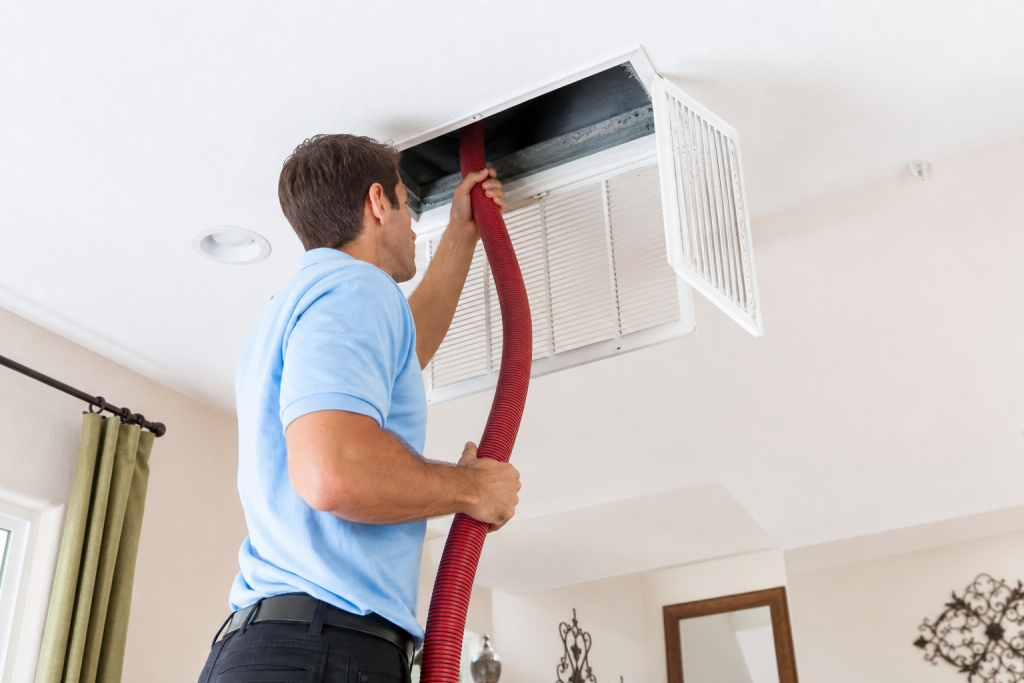
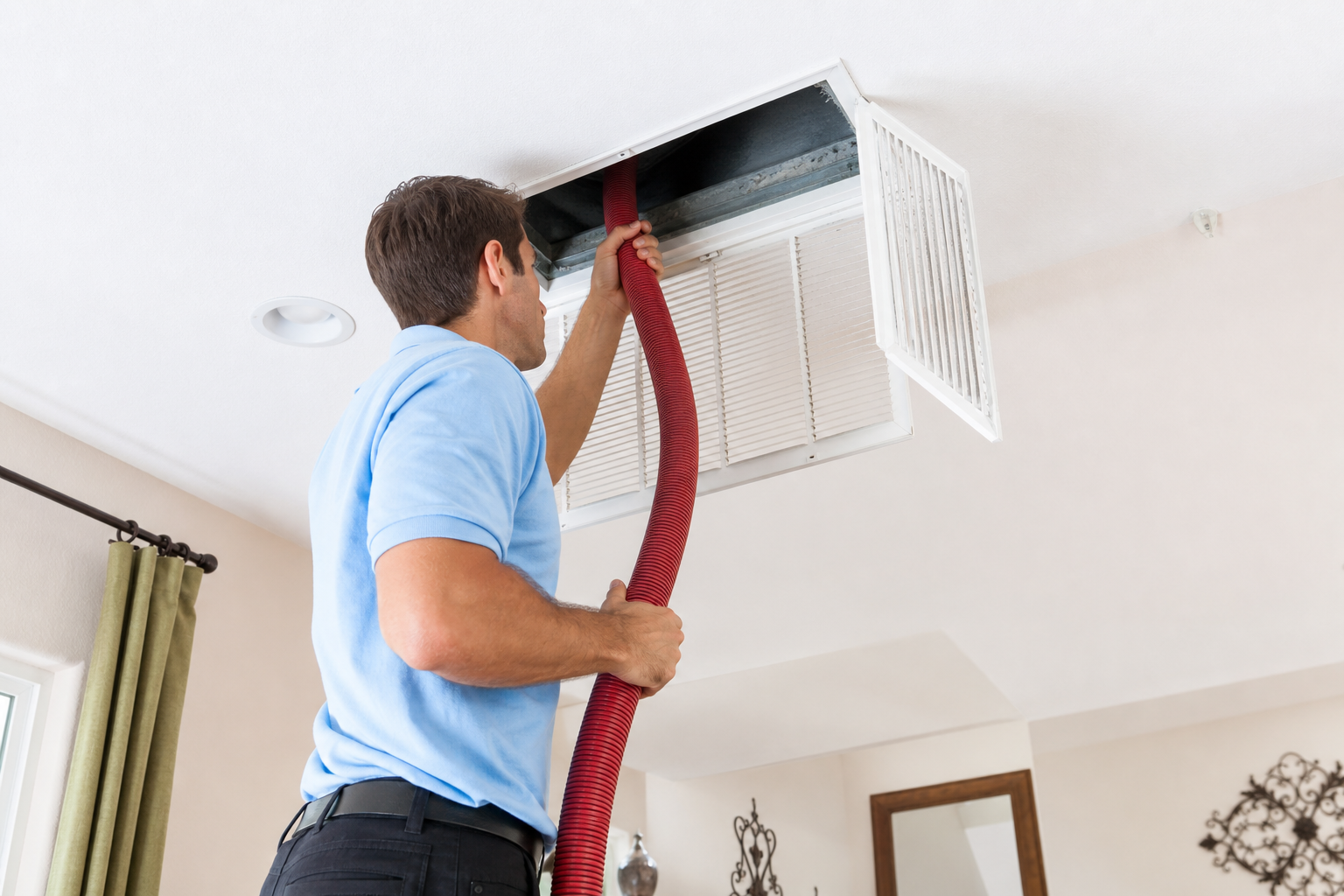
We’ve been called in after other cleaners to fix what they missed. The most common issue: they cleaned the supply and return vents, maybe ran a rotary brush through the main trunk, and never touched the air handler cabinet where the Honeywell equipment lives. That’s not a complete duct cleaning. That’s a vent cleaning with good marketing.
At Liberty Bell Air Duct Cleaning Worcester home, David handles the Honeywell equipment himself — he’s the lead technician on every job, not a rotating crew member. When you’ve personally cleaned thousands of systems, you know which screws strip on the F300 access panel and which filter rack designs tend to leak. That matters.
When to Call a Pro
If you’ve got Honeywell air quality equipment and you’re noticing reduced airflow, musty odors when the system runs, visible dust at your registers, or it’s been more than five years since your last duct cleaning, it’s time for a professional assessment. In Worcester’s climate, with our long heating season and older housing stock, the “every 5–7 years” rule of thumb doesn’t apply — 3–5 years is more realistic for most homes.
Related services in Worcester: We also offer Dryer Vent Cleaning in Worcester and HVAC Cleaning in Worcester — often scheduled together with duct cleaning for complete system care.
The Bottom Line
Honeywell makes excellent air filtration and humidification products, but no Honeywell system replaces the need for periodic professional duct cleaning. Media filters, electronic air cleaners, and UV systems treat the air stream — they don’t clean the duct walls where years of accumulated debris, construction dust, and microbial growth settle. In Worcester’s older homes and extended heating climate, that distinction matters more than most homeowners realize.
Key takeaways:
- Honeywell filters and cleaners protect your HVAC equipment and improve airborne particle capture, but don’t clean existing duct contamination
- Electronic air cleaner collector cells must be removed and cleaned during any professional duct service — not worked around
- Media filter neglect accelerates duct contamination by increasing bypass airflow
- Whole-home humidifiers add moisture risk that requires annual inspection and proper pad maintenance
- Vet your contractor’s familiarity with Honeywell equipment before hiring
If you’re in Worcester and want your Honeywell-equipped system properly assessed and cleaned, Air Duct Cleaning in Worcester by Liberty Bell Air Duct Cleaning Worcester offers free estimates — call (855) 919-5291. David Martinez will handle the inspection and cleaning personally, with 11 years of experience and the professional equipment to do the job right.
Frequently Asked Questions
No. Honeywell media filters and electronic air cleaners capture particles from the air stream passing through your HVAC unit, but they do not remove debris already caked onto the interior walls of your ductwork. We’ve cleaned Worcester duct systems with premium Honeywell filters installed that still had years of accumulated dust, construction debris, and microbial growth in the trunk lines. Call (855) 919-5291 for a free inspection if you’re unsure about your system.
Professional duct cleaning in Worcester typically ranges from $400–$800 for an average single-family home, with Honeywell electronic air cleaner cell cleaning usually included in a complete service. Homes with extensive contamination, multiple zones, or accessibility challenges may run higher. We provide upfront pricing after inspection — call (855) 919-5291 for a free estimate.
Check Honeywell media filters every 6 months and expect annual replacement at minimum in Worcester’s heating-heavy climate. Homes with pets, recent construction, or higher infiltration rates may need replacement every 6–9 months. Neglected filters increase pressure drop, which can cause unfiltered bypass air to enter your duct system and accelerate contamination.
You can perform basic cleaning of Honeywell F300 collector cells by removing them and washing with mild detergent and water, then drying completely before reinstalling. However, the ionizing wires are delicate and can be damaged by aggressive cleaning. For cells that haven’t been serviced in years, or if the unit is making arcing noises, we recommend having a professional inspect the power supply and cell condition — improper reassembly can damage the unit or create a safety hazard.
Written by David Martinez, Owner & Lead Technician at Liberty Bell Air Duct Cleaning Worcester, serving Worcester since 2015.
Need Air Duct Cleaning Help?
Call Liberty Bell Air Duct Cleaning Worcester — licensed & insured, here with fast after-hours help in Worcester.
(855) 919-5291